Do Indie Artists Still Need a Recording Studio? 9 Times You Do and 3 Times You Don’t
Do Indie Artists Still Need a Recording Studio? 9 Times You Do and 3 Times You Don’t
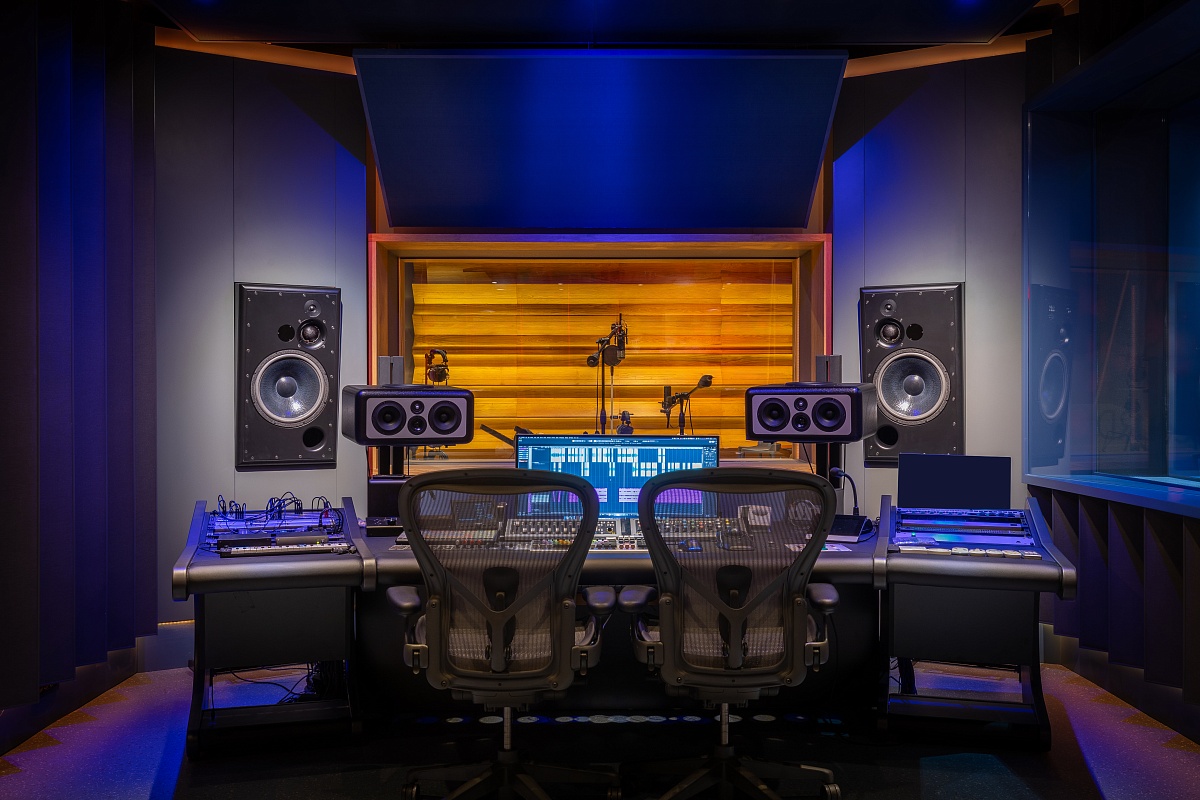
Home studios have changed the game, but there are moments when only a recording studio Los Angeles can deliver the sound and vibe your music demands. If you’ve ever struggled with mixing your vocals or wished for that perfect live room, you’re not alone. In this post, you’ll find nine clear signs when a professional studio beats your home setup—and three times when your DIY space wins. Ready to sharpen your recording strategy? Learn more about the home studio revolution.
When to Choose a Professional Studio
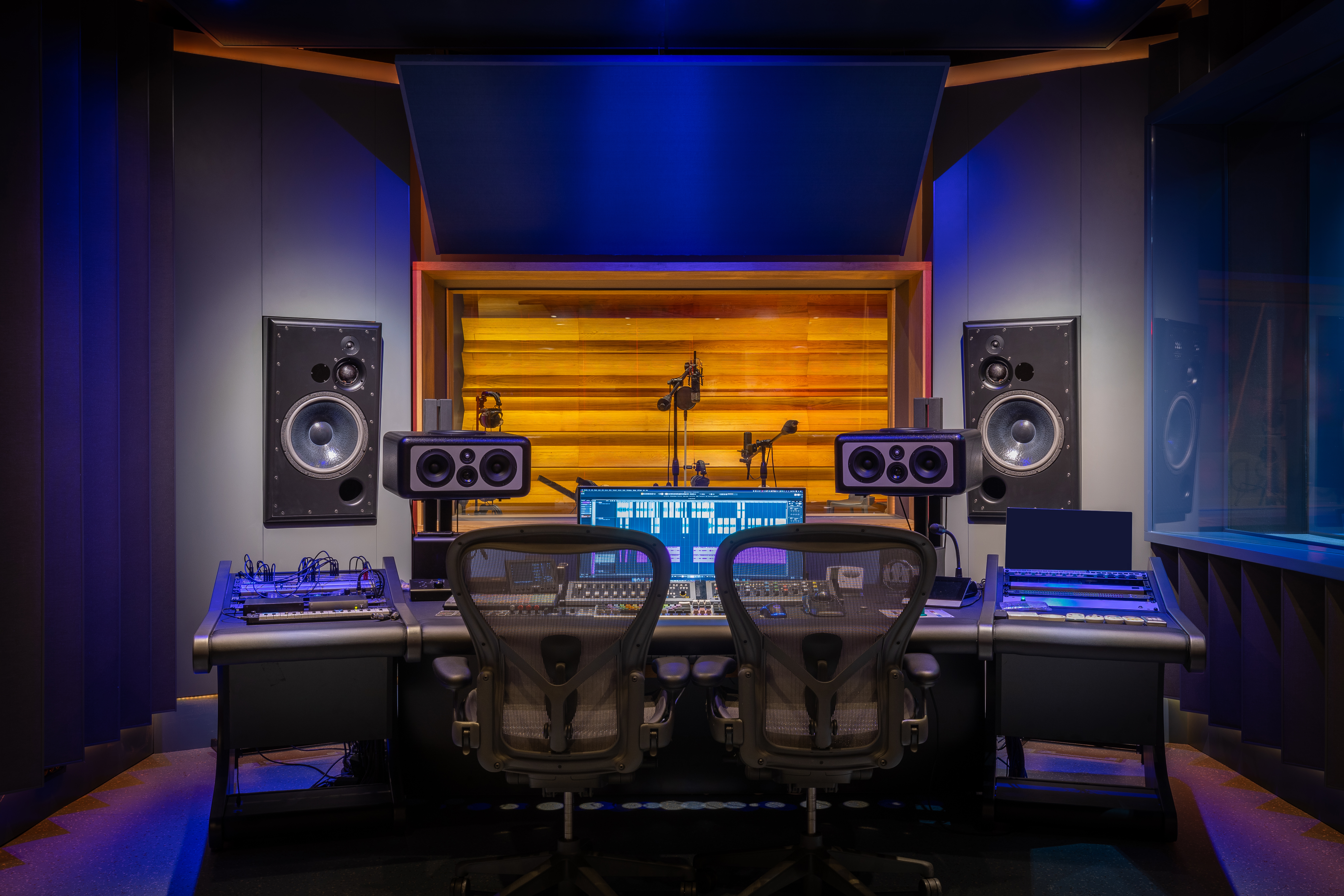
Sometimes, nothing beats the magic of a real studio. Let’s explore why these spaces can be game-changers for your sound.
Perfecting Your Acoustics
Sound matters. A professional studio offers acoustic treatment that your spare bedroom can’t match. In a studio, rooms are designed to enhance sound clarity, balancing frequencies naturally. This ensures that what you hear is what you get.
Imagine trying to capture those deep bass notes without unwanted echoes. Studios eliminate these issues, offering a true-to-life sound. Plus, the controlled environment means you spend less time fixing audio problems and more time creating. This is crucial for indie artist recording, where precision can make or break a track. Explore more on professional acoustics here.
Access to Top-Tier Gear
Studios provide gear that’s often out of reach for home setups. Think high-end microphones, analog gear, and mixing consoles that bring your music to life. These tools ensure your music sounds polished and professional.
Many artists find their tracks transformed when using studio-grade equipment. The difference? A richer, fuller sound that captures every detail. If you’re aiming to compete with top tracks, this gear is essential. See what indie musicians say about pro gear.
Expert Studio Engineers
Working with studio engineers Los Angeles offers expertise that elevates your music. Engineers bring years of experience to your session, knowing how to tweak sounds just right. This support can turn an average track into something extraordinary.
Engineers know the ins and outs of mixing and mastering LA sessions. They guide you through the process, offering new techniques and insights. Their input can save you time and help you avoid common pitfalls. Plus, their fresh perspective can breathe new life into your music.
When a Home Studio Works
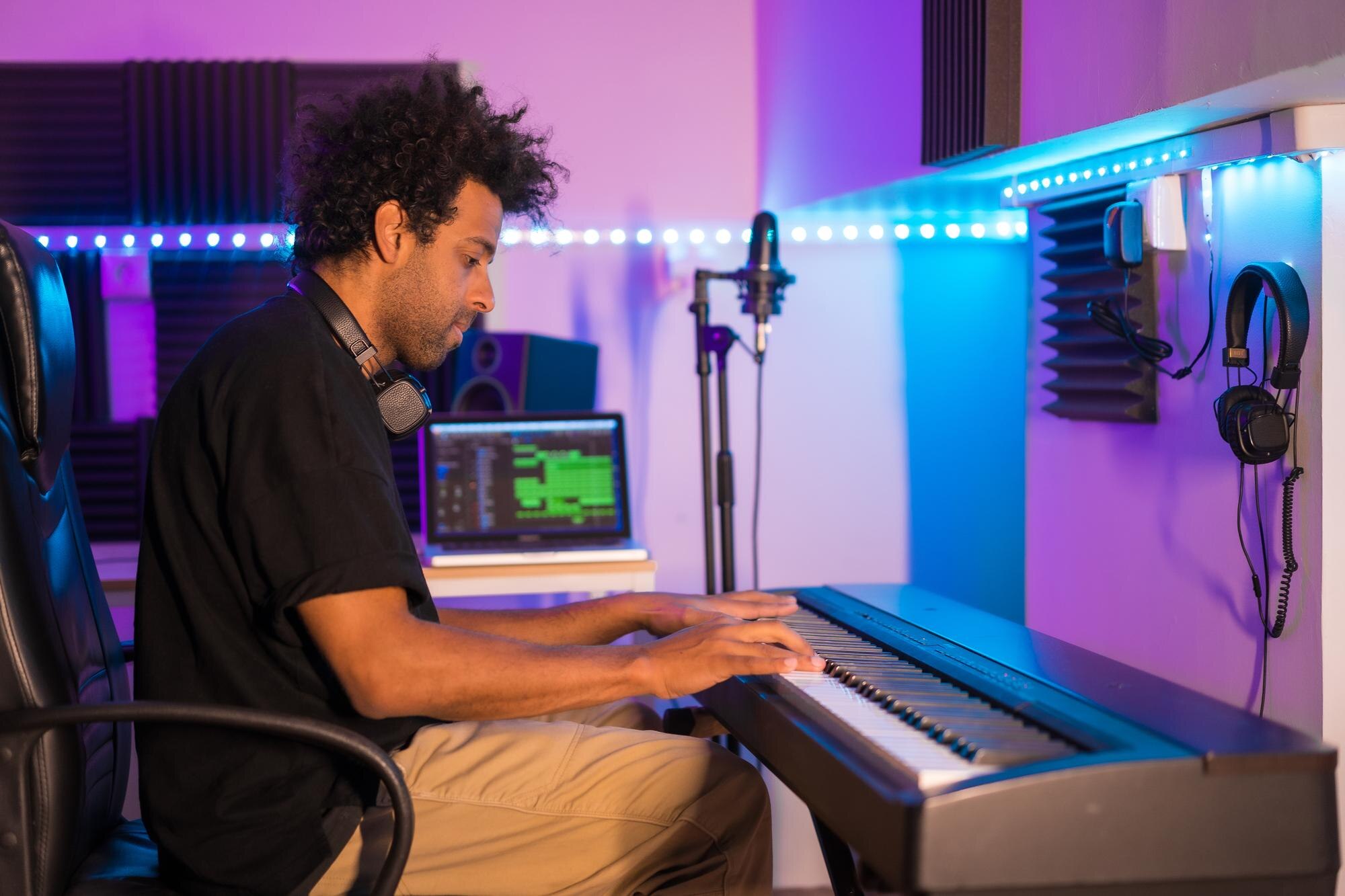
Even with all the perks of a professional studio, your home setup has its own strengths. Let’s look at when your DIY space might be the better choice.
Budget-Friendly Options
Home studios shine when money’s tight. Saving on studio fees lets you invest in other areas, like marketing or gear upgrades. Plus, recording at home means you aren’t clock-watching, freeing you to explore and experiment.
This can be huge for independent artists balancing costs. No need for pricey rentals or rushing through sessions. You set the pace, making it easier to hone your craft without financial stress. Check out how indie musicians are making it work at home.
Creative Freedom and Comfort
Your space, your rules. Home studios offer unmatched comfort and control over your environment. Want to record at 3 AM in your pajamas? Go for it. This flexibility can be crucial for capturing those late-night inspirations.
Being in your own space can lead to more authentic music. You’re free from outside pressure, allowing creativity to flow naturally. Plus, there’s no travel time, meaning more hours spent on actual production.
Quick Edits and Demos
When speed is key, home setups excel. Need to tweak a track or lay down a quick demo? It’s faster and easier when everything’s at your fingertips. This agility means you can respond to feedback swiftly or capture spontaneous ideas.
For artists working on tight deadlines, this is a lifesaver. You can make quick adjustments without the hassle of booking studio time. It’s all about maintaining momentum and keeping your projects moving forward.
Balancing Home and Studio Needs
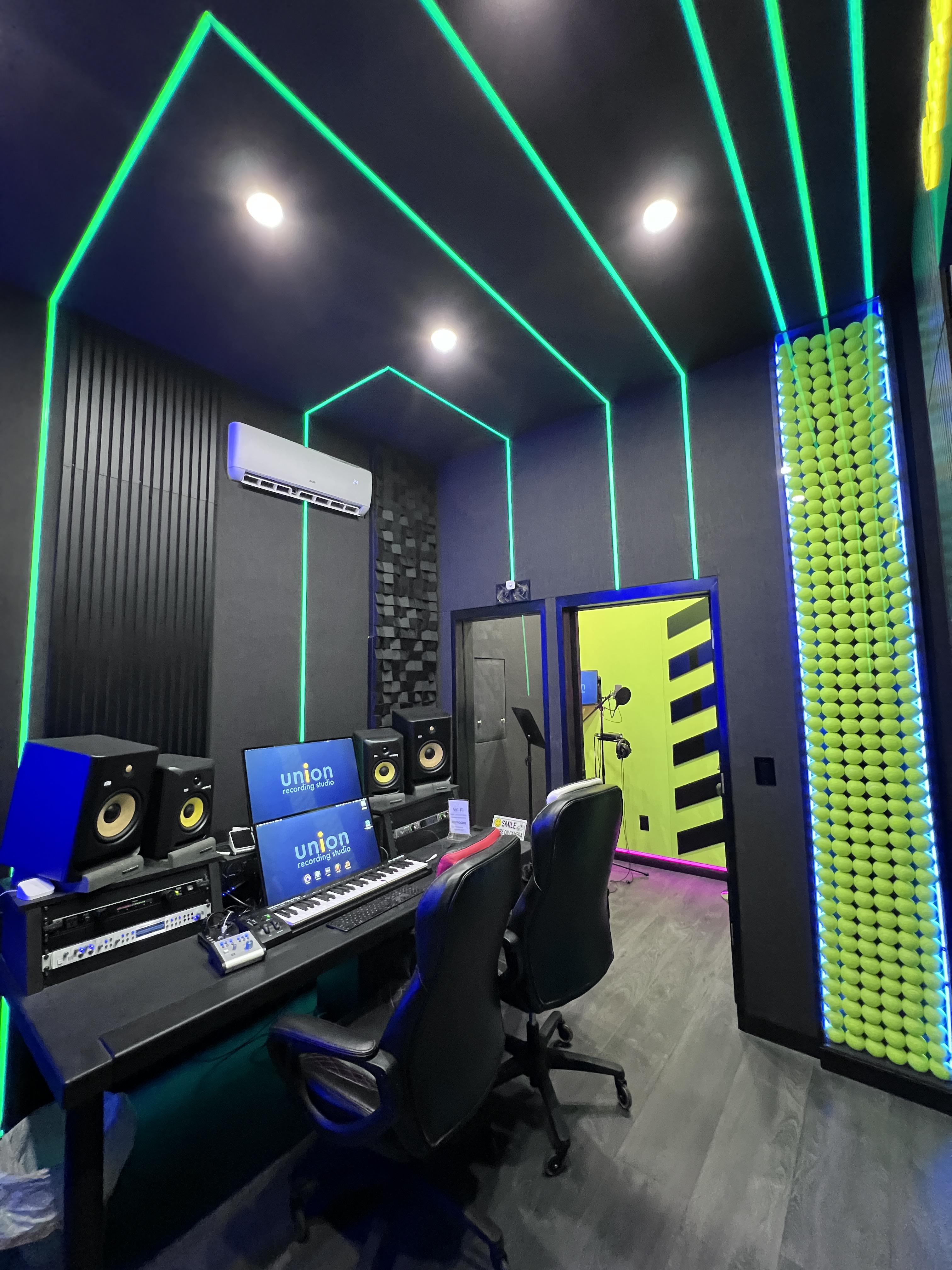
Finding the sweet spot between home and professional studios can maximize your music's potential. Here’s how to blend the best of both worlds.
Hybrid Recording Workflow Tips
Consider a hybrid approach. Start projects at home, focusing on initial ideas and rough cuts. Then, move to a professional setting for final touches. This method leverages the comfort of home with the polish of a studio.
Many artists adopt this strategy, splitting tasks based on needs. Basic tracks at home, followed by studio sessions for critical elements. This balance offers flexibility without compromising on quality.
Pre-Production Checklist Essentials
Preparation is key. Before hitting the studio, have a checklist ready. This includes mapping out your tracks, rehearsing parts, and finalizing arrangements. A clear plan ensures you make the most of studio time, focusing on creativity, not logistics.
A solid checklist can prevent costly mistakes and make sessions smoother. It’s about setting yourself up for success, reducing stress, and making your studio visits as productive as possible.
Booking Your Ideal Studio Session
When booking a session, know what you need. Do you require specific gear or a particular engineer? Clarifying these details helps you find the perfect fit. Also, consider off-peak times for better rates.
Planning sessions in advance ensures availability and can lead to discounts. It’s about smart scheduling and making your sessions work for you. The right studio session can be transformative, taking your music to new heights.
Finding the balance between home and studio can elevate your music to professional standards, providing the best of both worlds.