Crafting Demos That Demand Attention: Best Practices for Independent Artists

Crafting Demos That Demand Attention: Best Practices for Independent Artists
Most demos never make it past the first listen. You know your music deserves better, but how do you make industry pros stop and pay attention? These demo recording tips will help you craft standout demos that grab the right ears and open doors. Ready to turn your sound into a game-changing demo? Let’s get started.
Captivating First Impressions
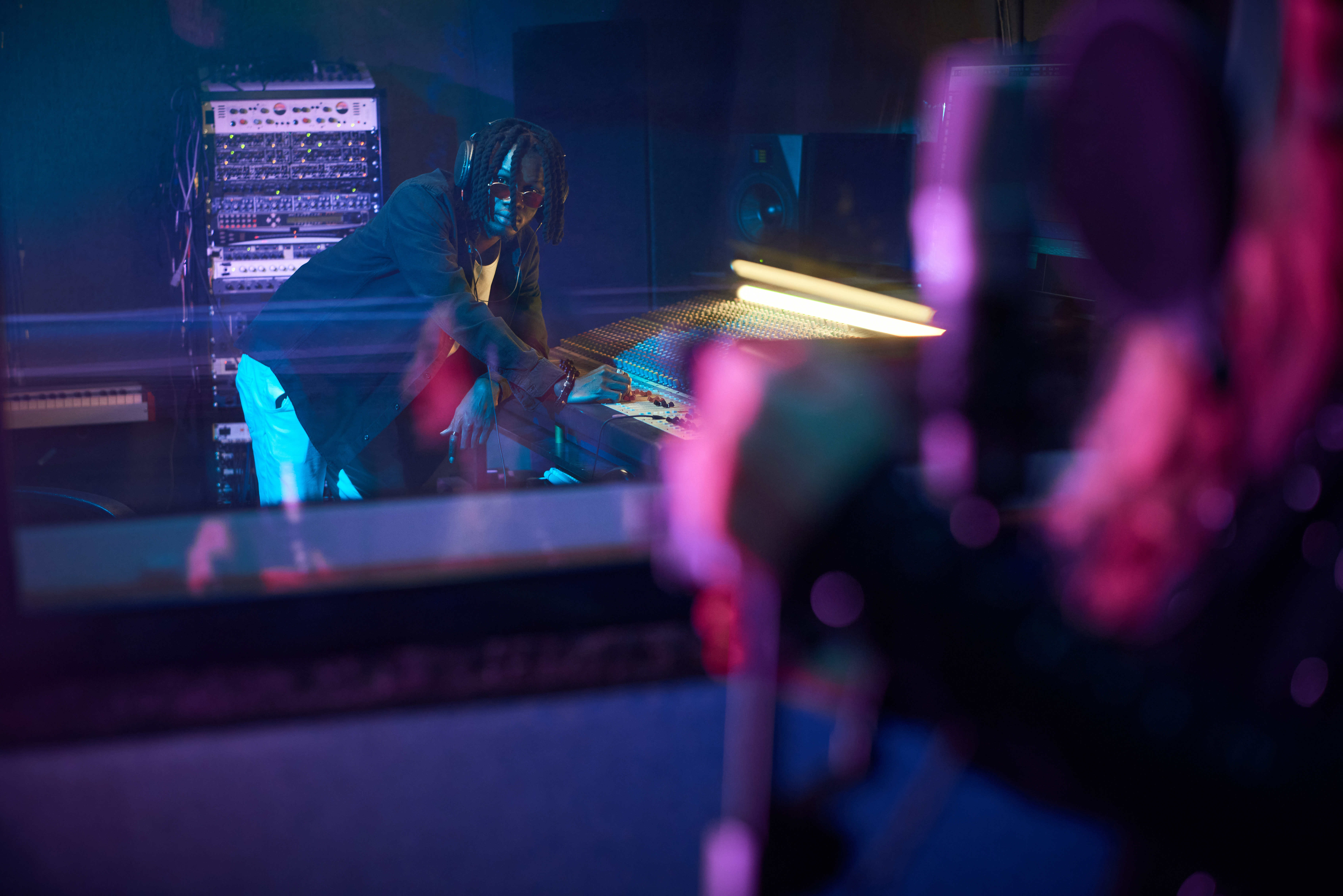
Creating a demo that demands attention starts with making a striking first impression. The right tracks and a memorable intro can make all the difference.
Choosing Your Best Tracks
Picking the right tracks for your demo is crucial. Start by selecting pieces that showcase your unique style and talent. Think about the tracks that get your audience nodding along or asking for more. Quality over quantity is key here, so stick to 3-5 tracks that truly represent you.
Focus on Variety: Choose tracks that show off different facets of your music. This keeps listeners engaged and demonstrates your range.
Highlight Your Strengths: Whether it's your powerful vocals or killer guitar riffs, make sure your best work shines through.
Consider asking for feedback from trusted peers or industry contacts. Sometimes, an outside perspective can help you see which tracks truly stand out.
Crafting a Memorable Intro
The first few seconds of your demo are make-or-break moments. A captivating intro sets the tone and grabs attention right away.
Start with Impact: Use an intro that draws the listener in immediately. Whether it's a catchy hook or a powerful chord, make it unforgettable.
Keep It Concise: Avoid overly long intros. Get to the meat of the song quickly to keep the listener interested.
Think about your favorite songs and how they pull you in. Use those elements to shape your own intros, ensuring they leave a lasting impression.
Technical Excellence in Recording
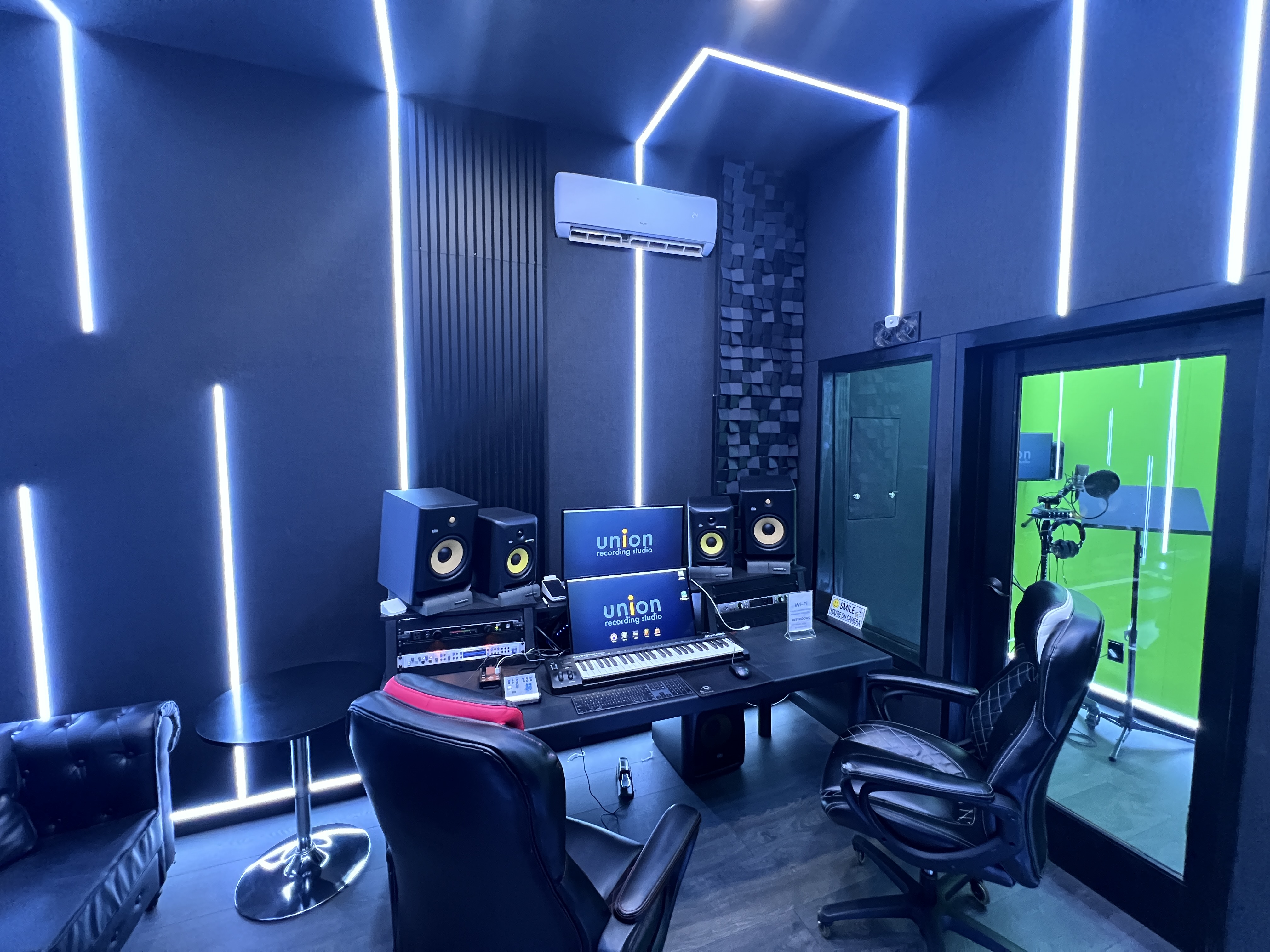
Great music deserves top-notch recording. Achieving technical excellence ensures your demo sounds professional and polished.
Leveraging Professional Equipment
Using the right equipment can elevate your demo to the next level. High-quality gear makes a noticeable difference in sound clarity and depth.
Invest in Quality Gear: Even if you're on a budget, prioritize a good microphone and audio interface. These are essential for capturing your sound accurately.
Consider Studio Time: If possible, book a session at a reputable studio. This gives you access to top-tier equipment and expert guidance.
Remember, even the best music can suffer from poor recording quality. Consider resources like Union Recording Studio for access to professional facilities and assistance.
Mixing for Clarity and Impact
Mixing is where your demo comes to life. It's an art form that balances all elements of your track for maximum impact.
Balance Your Levels: Ensure vocals, instruments, and effects are well-balanced. Nothing should overpower the rest.
Use Effects Wisely: Reverb, delay, and compression can enhance your sound, but don't overdo it. Subtlety often works best.
Consider taking a course or working with a professional mixer if you're new to this. A polished mix can make your demo stand out in any industry setting.
Presenting Your Demo Professionally

Once your demo is ready, presentation plays a huge role in how it's received. Packaging and follow-up strategies ensure your demo gets the attention it deserves.
Packaging and Presentation Tips
The way you present your demo can affect first impressions. Make sure it's visually and physically appealing.
Create a Professional Package: Include a cover letter, tracklist, and any relevant links. Ensure everything is neatly organized and easy to navigate.
Use High-Quality Formats: Always send your demo in high-quality formats, like WAV or AIFF. This shows you care about sound quality.
Ensure your contact information is clear and easy to find. The last thing you want is for a potential contact to struggle to reach you.
Follow-Up Strategies for Artists
After sending your demo, following up is crucial. It shows professionalism and keeps you on the radar of industry pros.
Send a Follow-Up Email: A polite follow-up email a week or two after sending your demo can keep your name in their minds.
Express Gratitude: Always thank them for their time and consideration. A little courtesy goes a long way.
By following up effectively, you demonstrate your commitment and seriousness about your music career.
🌟🎶🎤
By focusing on these strategies, you're not just creating a demo—you're opening doors to lasting industry connections and opportunities. Remember, your music has the potential to captivate and inspire. Make sure your demo reflects that.